
By Éric Boutilier – The Government of Canada has (finally) taken some tangible steps forward to breathe new life into VIA Rail’s long-distance, regional and remote train services.
Prime Minister Mark Carney recently announced an investment of 4.7 billion dollars to manufacture and maintain 313 brand new passenger rail cars; of which a significant portion will be built in Northern Ontario.
This announcement was long overdue. At an average age of 77 years, the train sets in use in rural parts of the country are well past their best-before dates.
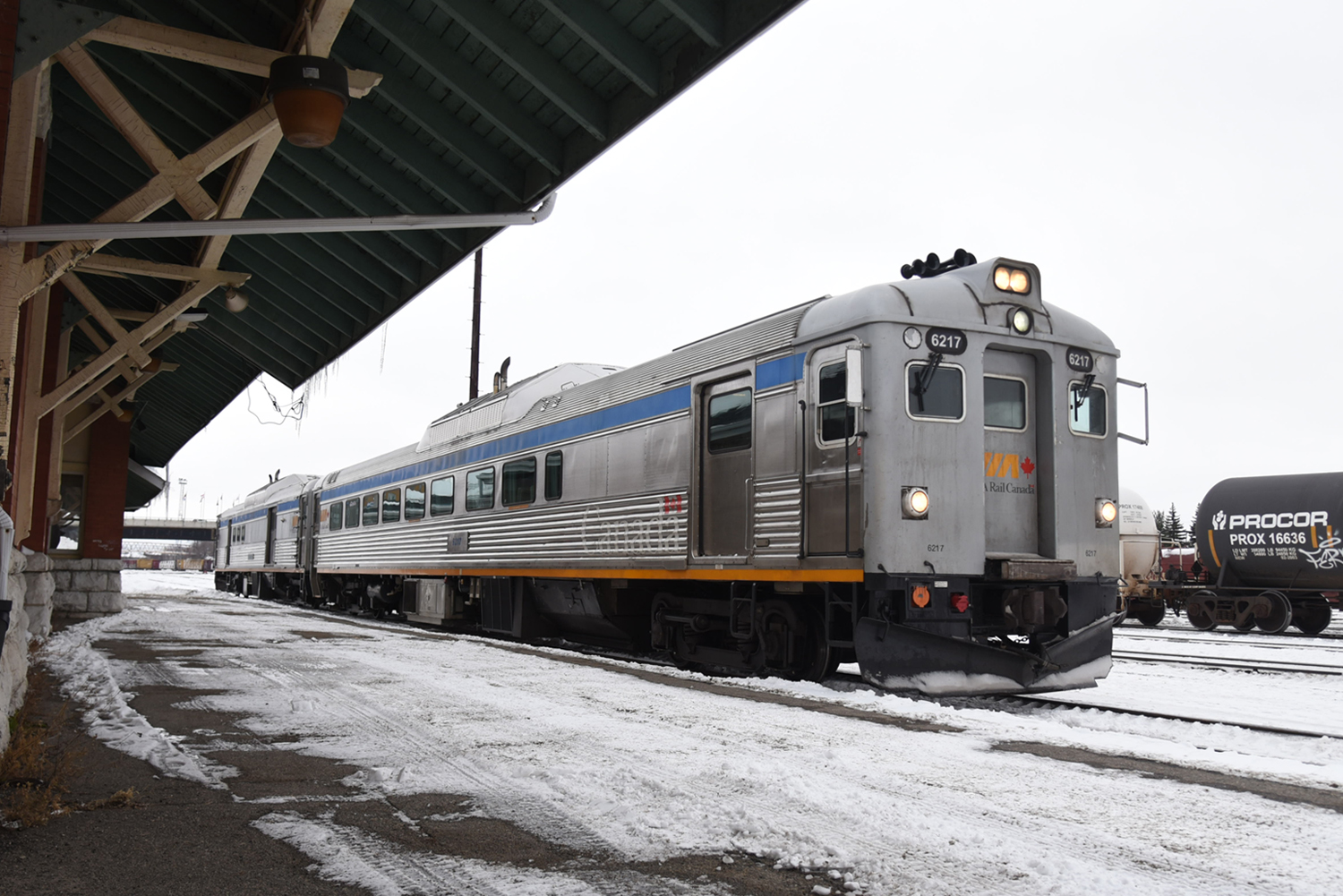
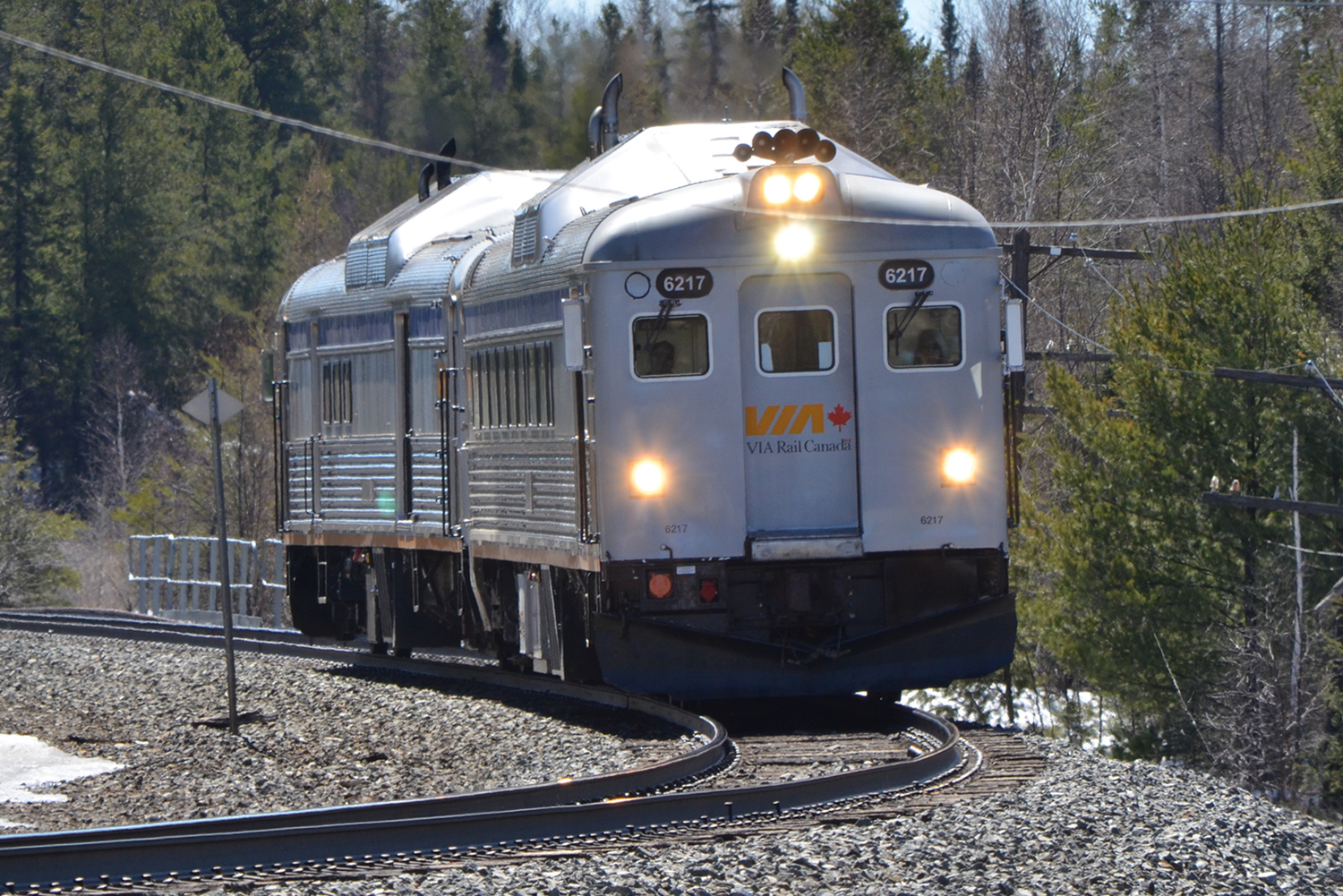
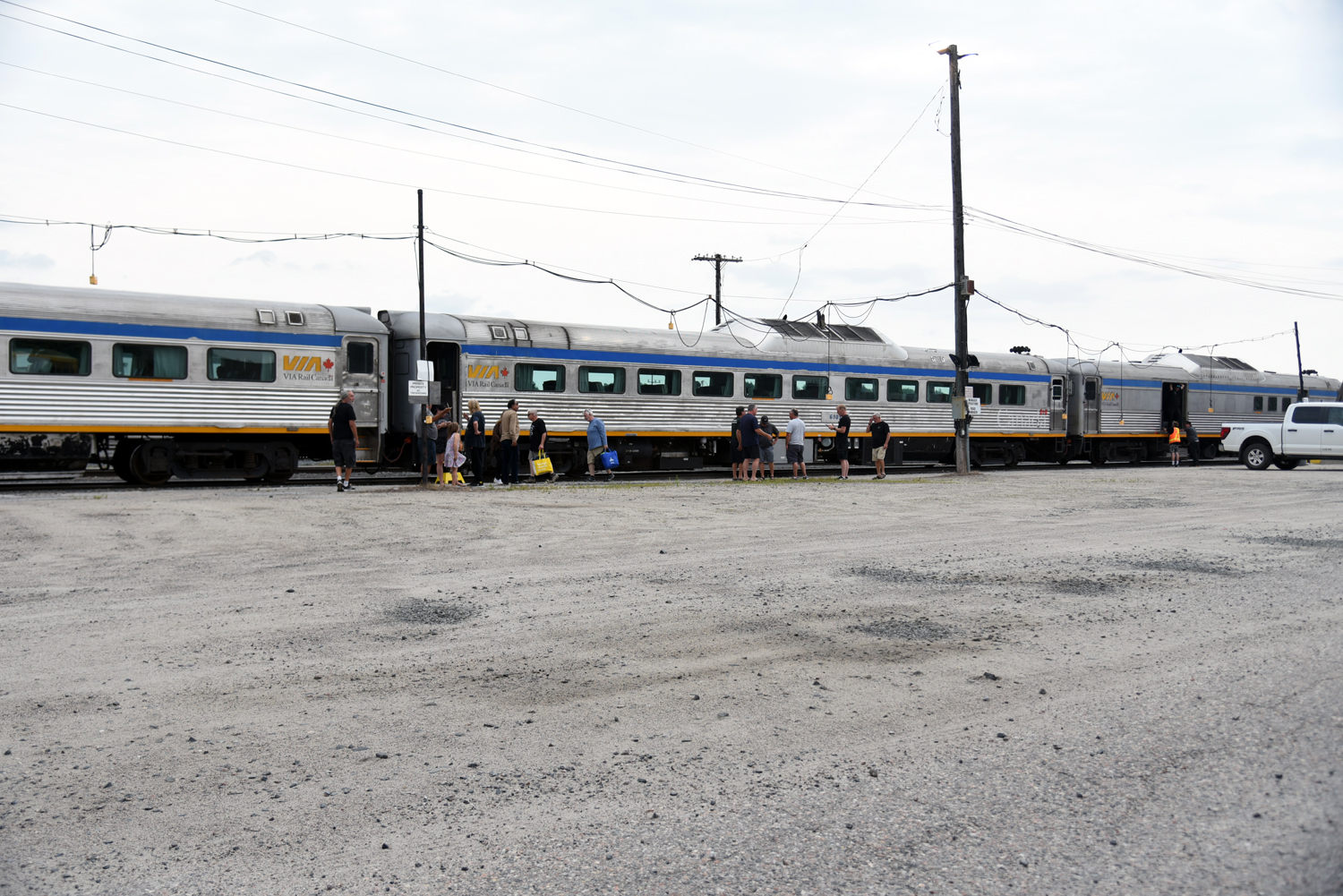
For instance, the units assigned to the Sudbury-White River line (a.k.a. Budd Cars) are likely on their last legs. VIA Rail cancelled service on this route 44 times in 2025, largely due to recurring equipment breakdowns.
Over the past five years, the company spent 9 million on repairs to prevent the trains from failing outright. If everything goes to plan, the entire long-distance fleet will be replaced over the next decade.
The news is surely welcomed with open arms by the City of Thunder Bay, the business community, as well as the local workforce employed by Alstom Canada.
The decision to “Buy Canadian” will bring much needed stability to a factory that laid off some 200 workers a year ago. Thunder Bay and the surrounding area certainly stand to gain from the economic spin-offs resulting from these high paying jobs.
Still, I can’t help but wonder whether there aren’t additional ways the general public could benefit from the fruits of this labour.
Much like in a community dependent on mineral extraction, the collective wealth generated by this passenger rail car contract will only last as long as the train sets themselves are being constructed locally.
With a little foresight, the federal government and VIA Rail could also re-imagine how train service is delivered in this isolated region.
The company receives public funds to operate The Canadian (Toronto-Vancouver) and the Sudbury-White River train. Both services connect people to places with limited or no access to other forms of land-based transportation.
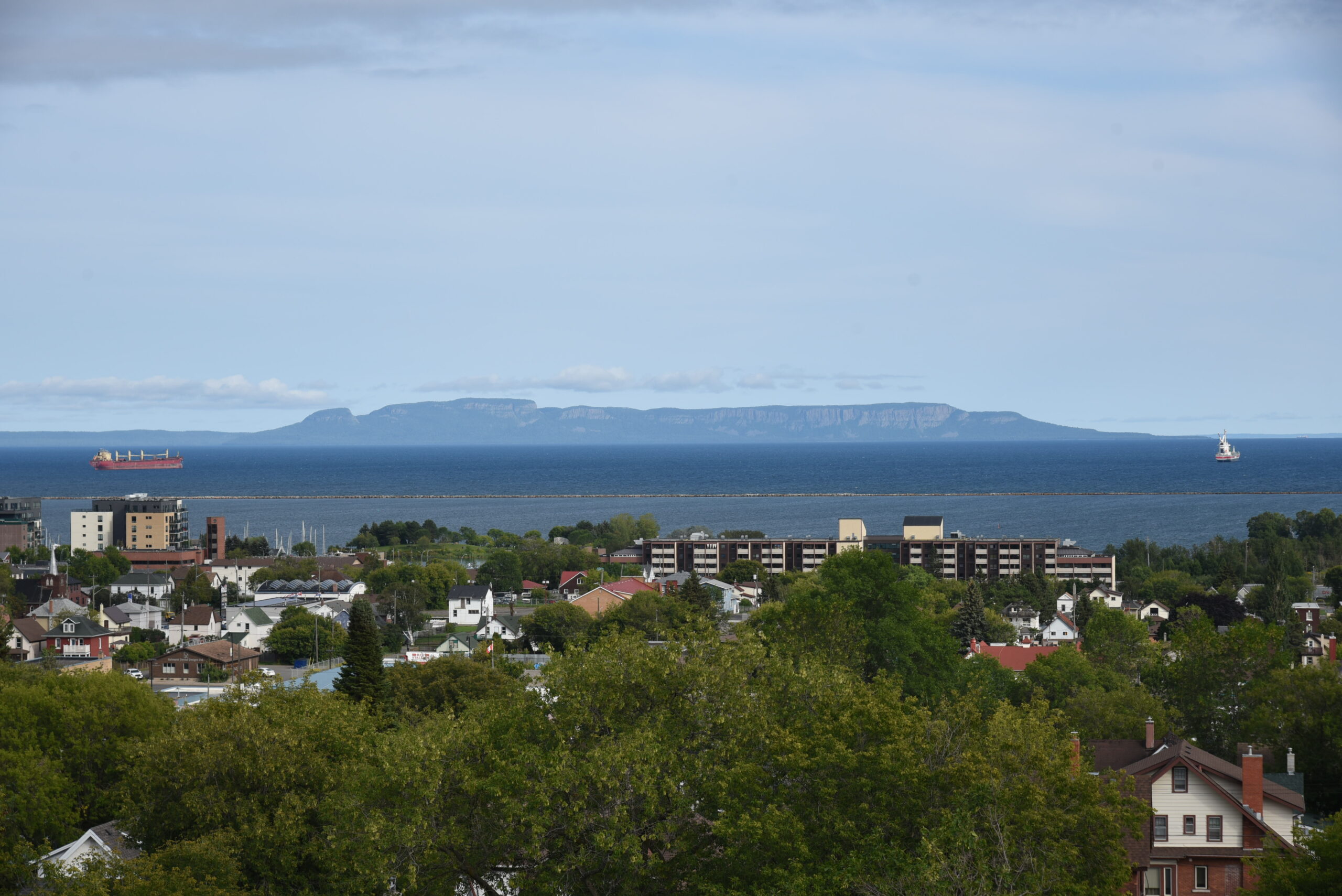
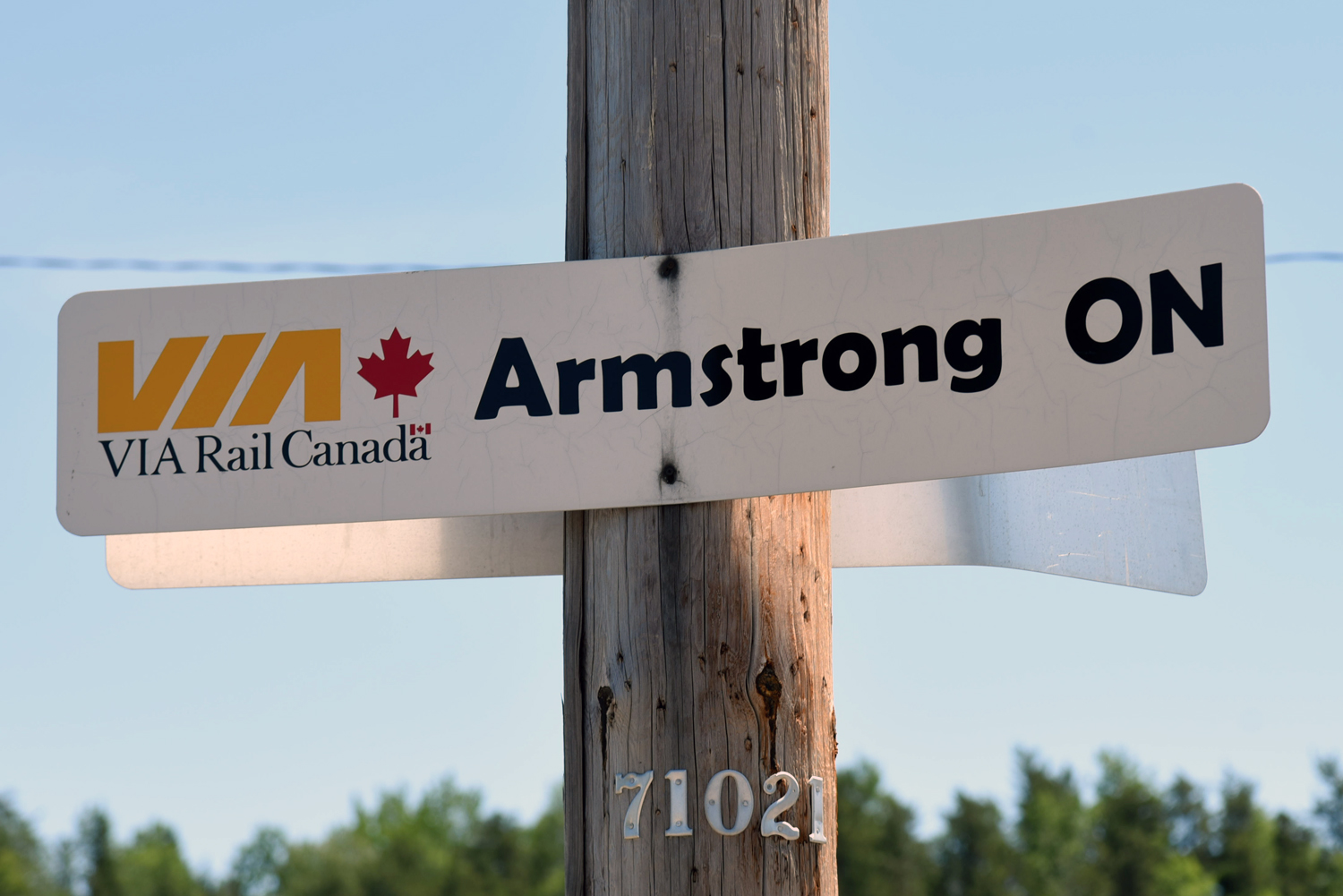
Neither currently serves Thunder Bay, the largest city by population in Northwestern Ontario; or for that matter, any of the communities between Nipigon and Netmizaaggamig Nishnaabeg (Pic Mobert) First Nation.
Instead, passengers catch the train by commuting some three hours north of the city to Armstrong, or four and a quarter hours east to White River.
The district of Thunder Bay is best described as a public transportation desert.
There is but one (almost-daily) overnight bus connecting towns and First Nations along the North Shore of Lake Superior to larger cities like Greater Sudbury, Ottawa and Toronto. Too often, there are no detours whenever the Trans-Canada highway is closed due to a collision, poor weather conditions, or at times, forest fires.
Flights, while plentiful out of Thunder Bay International Airport, tend to be on the expensive side when travelling within Northern Ontario.
At the time of writing, the cheapest direct, round-trip, non-refundable base fare to Sault-Ste-Marie aboard Bearskin Airlines is $903 ― hardly affordable for budget conscious travellers.
For comparison, Thunder Bayites can travel overseas from their local airport to Paris (France) for $1,272 (return) aboard a connecting flight between Porter and Air Transat.
Commercial air carriers don’t otherwise serve municipal airports located along the North Shore of Lake Superior.
The Prime Minister says he wants to restore passenger rail service to Thunder Bay.
If VIA Rail and the Minister of Transport Steven MacKinnon were so inclined, the Sudbury-White River line could, theoretically (upon completion of the new trains), be extended using the existing CPKC tracks that continue westward.
This is no turn-key proposal though. An additional crew would likely be needed to reliably operate the train for 400 more kilometres to Thunder Bay.
Shifts are typically capped at twelve hours. On a good day, it takes the Budd Car eight to complete its journey to White River.
It’s also difficult to determine whether the host railway has the capacity to accommodate passenger service expansion without a business case document ― similar to the one produced for the Northlander.
Nevertheless, Northerners need alternative modes of transport when driving Highway 17 is no longer a viable (or desirable) option to access services unavailable in their hometown.
These new passenger rail cars can be part of the solution that helps make travel between northern communities feel a little less distant.
― 30 ―
Éric Boutilier is a columnist for Northern Tracks, a self-published blog related to intercity transportation in Northern Ontario.


 Submit News Tip
