
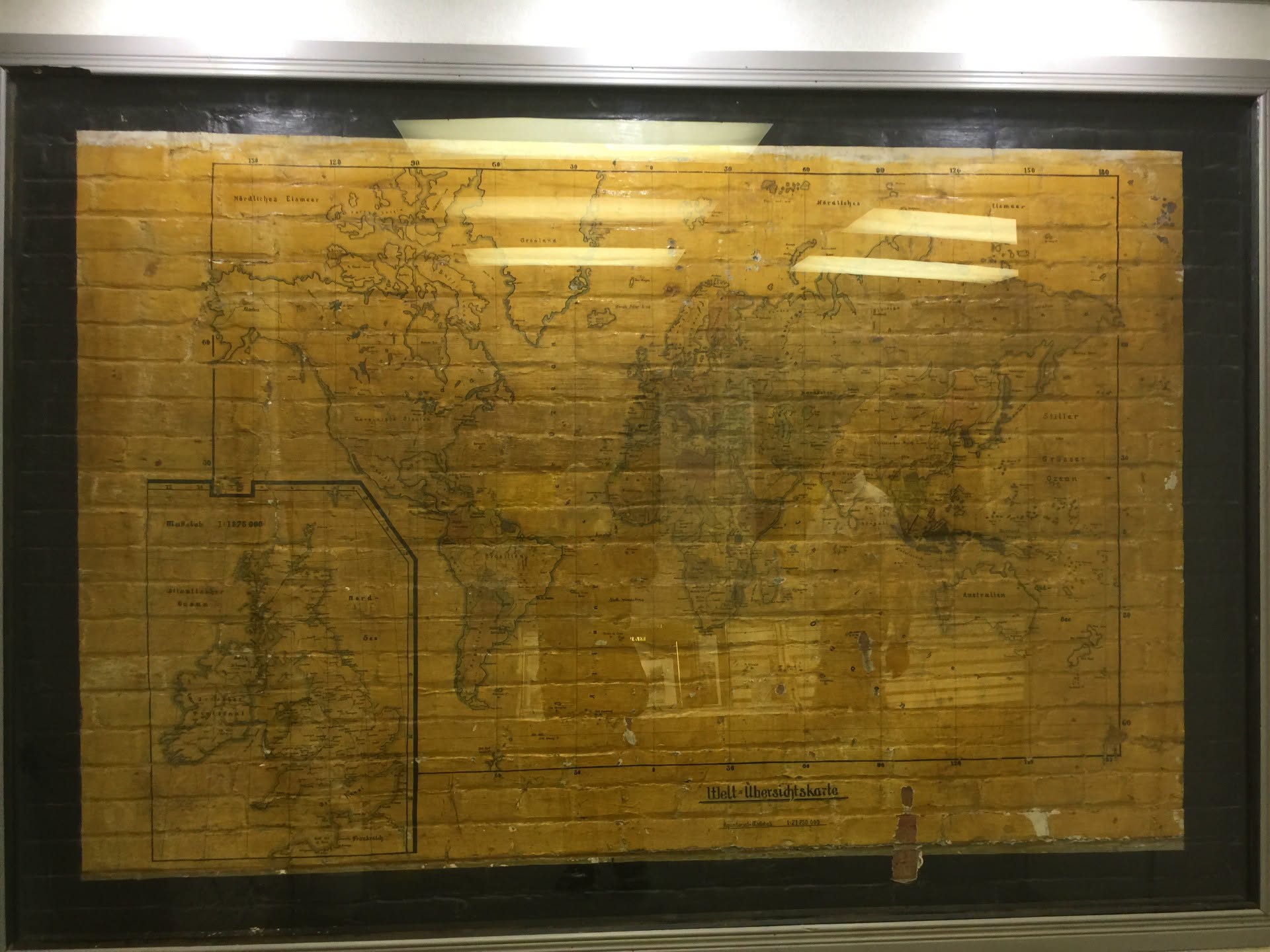
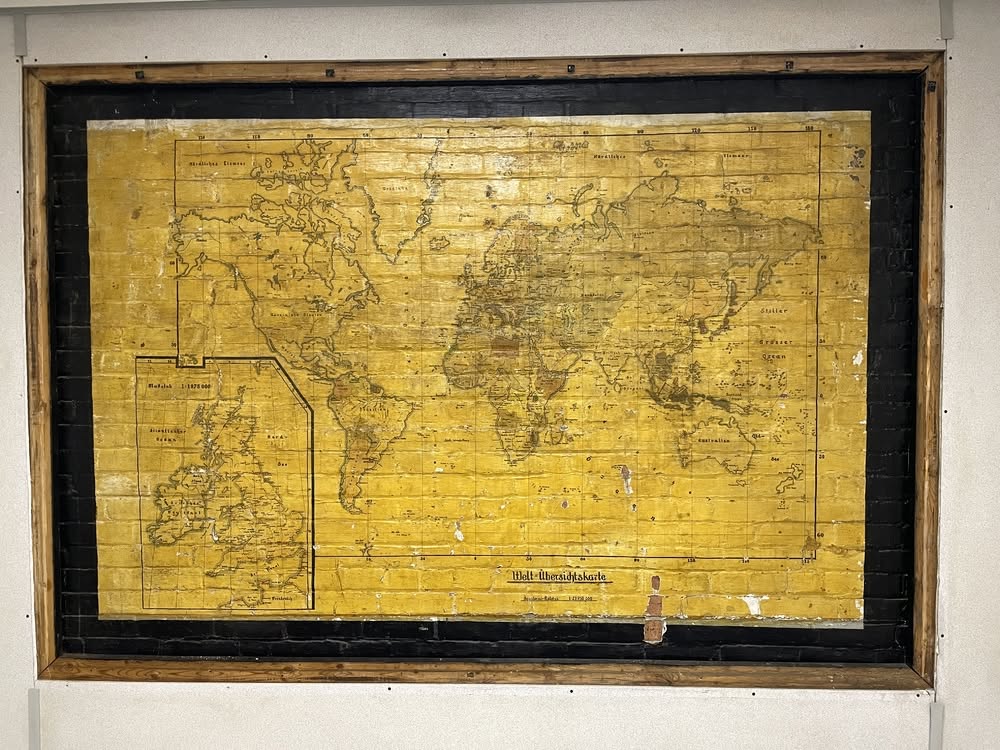
By Rosalind Russell – In collaboration with the Town of Espanola, Western University, McMaster University and Domtar, the former owners of the pulp and paper mill, have teamed up to delve into a map attributed to a prisoner of war.
Espanola Public Library’s Laura Luopa, says they are excited to welcome keynote speakers about the map attributed to a prisoner of war interned in Espanola during the Second World War, when the mill served as an internment camp
She says it was photographed and digitally rendered in 3D adding this digitization project represents a significant accomplishment in preserving the map and providing researchers and the general public with access to a complete, high-quality digital version for the first time.
Luopa adds the library will host a presentation featuring Dr. Patricia Markert, Assistant Professor of Archaeology at Western University, and Zack MacDonald, Map Librarian at Western University, this Thursday, November 26, from 2:00 to 3:00 p.m.
She says registration is required but for those who cannot attend, the presentation will also be livestreamed and recorded.
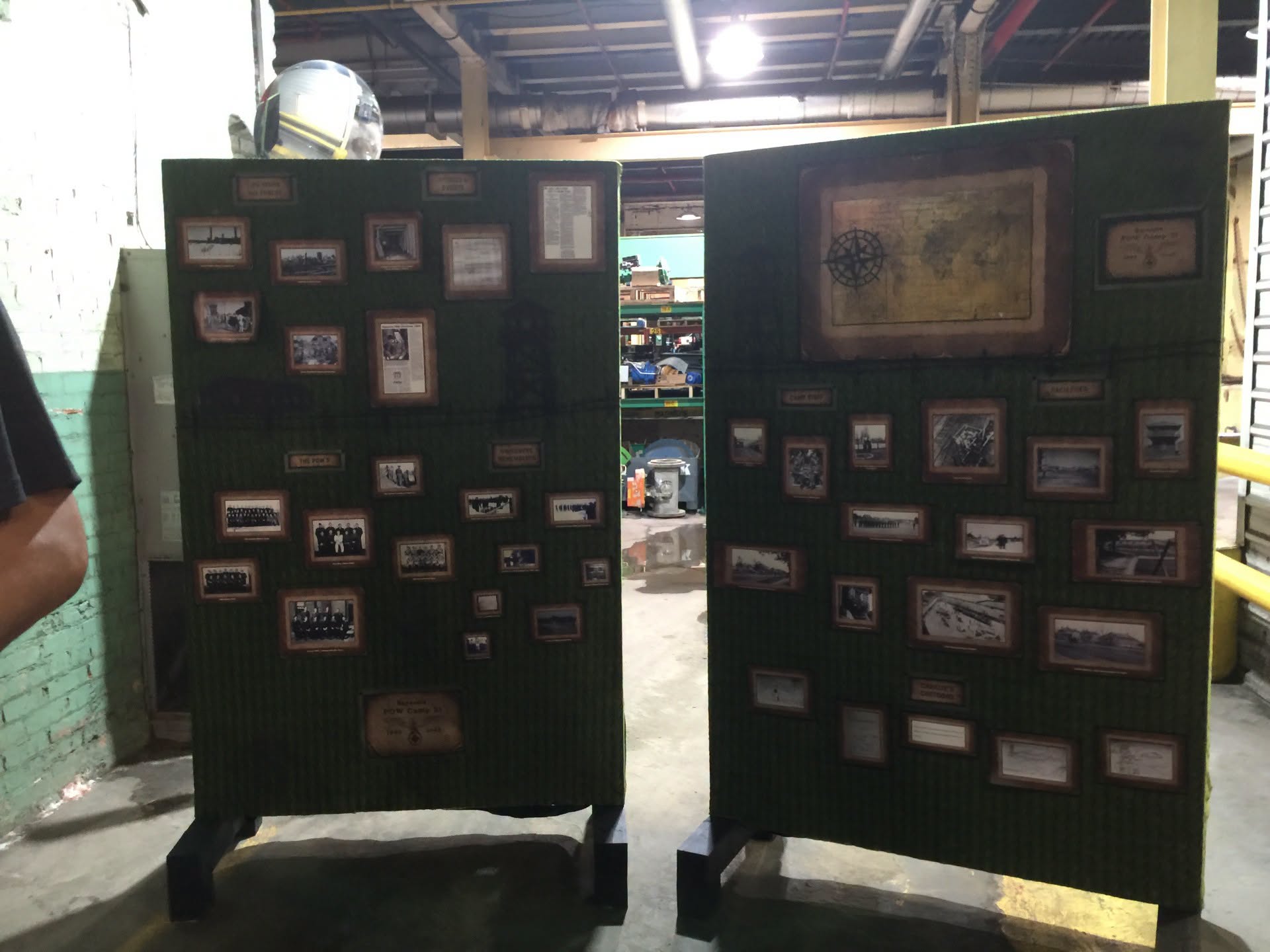
Visit Espanola Memories to view an online exhibit about the Prisoner of War Camp 21 and the map: https://esppubliclibrary.omeka.net/…/espanolaasaprisone…
More about the map: “While Camp 21 was in operation, a large map of the world was painted on the north wall in the main dormitory in the mill building […]. This map was done in different colours and is amazingly accurate […]. While more than one person may have been involved in its production, it appears likely that it was the work of one man, who spent almost a year completing it. One report concluded that the artist was a Luftwaffe pilot-navigator, who drew from memory, or, he may have had access to publications that would have helped. POW Frank Hofer describe the map man as an air force sergeant who, in private life, was a cartographer and geography teacher. As for the colours, they may have come from paper dyes found in the mill or have been supplied by one of the outside service organizations.” (Espanola on the Spanish, Morrison, 1989, p. 132)
Bioveld North now owns the map as the owners of the pulp and paper mill and are preserving it as well as a display of war memorabilia and historical anecdotes.
Photo: Digitized map provided by the Espanola Public Library. Photo of original map and war memorabilia at the Bioveld North site by Rosalind Russell


 Submit News Tip

