
By Rosalind Russell – The Sudbury Impact Structure formed approximately 1.85 billion years ago by a massive asteroid or comet impact, it is one of the world’s oldest, largest, and best-studied impact sites, and has now been recognized as one of the world’s most significant geological sites.
Laurentian University’s Professor Dr. Michael Lesher says what makes Sudbury globally unique is not just the scale of the impact, but the degree of exposure with over a billion years of tectonic history tilting and preserving the crater, while glacial scouring revealed clear cross-sections, and it is also the world’s largest impact melt sheet.
He says the designation brings international recognition to Sudbury as a place where scientists and students can study how massive impacts shape planets and concentrate valuable metals.
Dr. Lashers was proud to announce the International Union of Geological Sciences has included it in “The Third 100” Geological Heritage Sites, announced at their Geoheritage international event in Portugal earlier this month.
He says Sudbury’s scientific prominence spans decades:
Sudbury is one of the most intensively studied impact sites on Earth.
Researchers continue to visit the area to learn about impact processes and make discoveries with applications to other sites.
The structure is home to Canada’s largest mining region and more than a century of mining activity. Its nickel, copper, and platinum-group element deposits have contributed to the regional and national economy for more than 140 years.
In the early 1970s, the National Aeronautics and Space Administration (NASA) conducted field exercises for Apollo 16 and Apollo 17 astronauts in the Sudbury Basin, where they studied geological features created by impacts before their lunar missions.
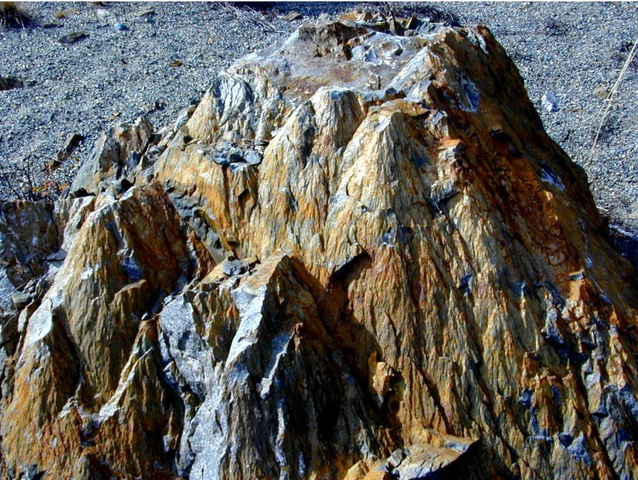
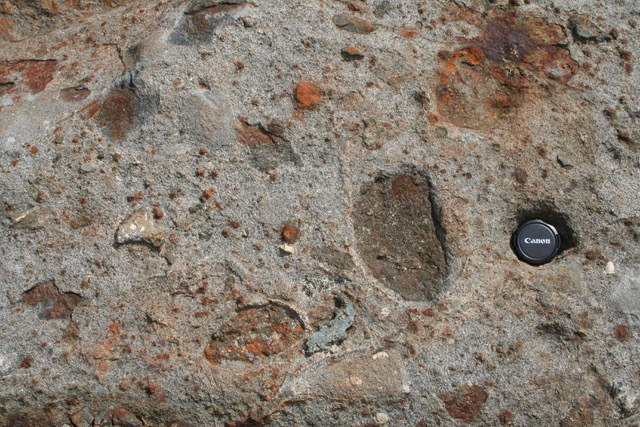
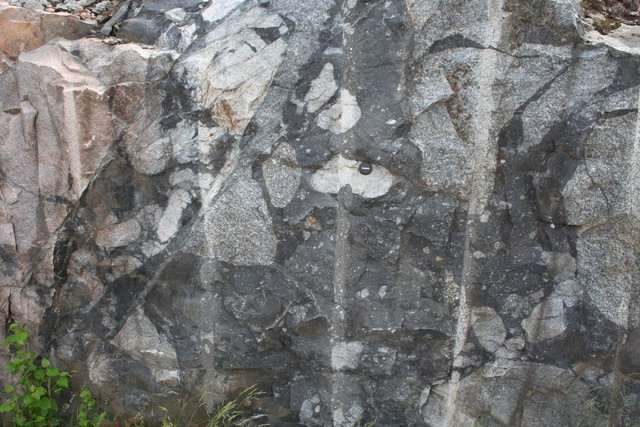
Photos of geological structures in the Sudbury Basin provided by LU


 Submit News Tip

