
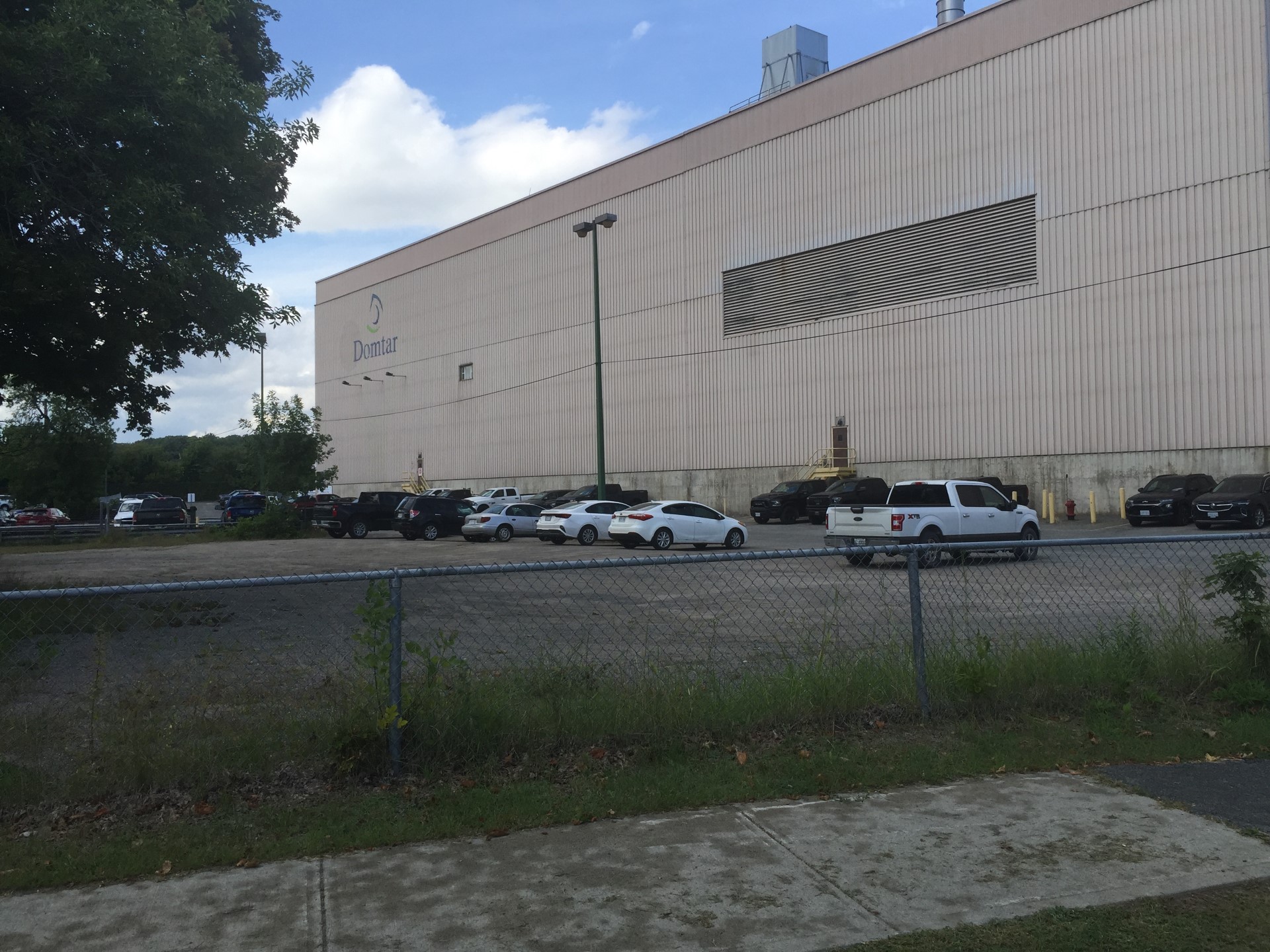
By Rosalind Russell – CHAR Technologies Limited is partnering with BMI to develop a joint biocarbon project at the former pulp and paper mill in Espanola.
CHAR Tech CEO Andrew White says the Espanola project engineering and design study continues to advance with the BMI group which now owns the property, adding BMI has commited $10 million to the project.
He says the property now called Bioveld North, was acquired by BMI last year with a focus on putting wood back to work and the Espanola project is expected to produce up to 50,000 tonnes of biocarbon per year.
He adds the project’s final scope and BMI’s final capital allocation will be determined through completion of the engineering and design study.
White says the proposed facility would convert locally sourced wood waste and forestry residuals into low carbon biocarbon and synthetic gas, with the potential to valorize the gas, including either direct use on site by the broader Bioveld North facility, or upgrading the synthetic gas to renewable natural gas (“RNG”) in a later phase.
BMI Group CEO, Paul Veldman, adds partnering with CHAR Tech allows them to move quickly into detailed planning and construction.
The study is expected to be completed by late Spring.
The study will define the technical scope, assess and secure available feedstock supply, and confirm the integration requirements of CHAR Tech’s high-temperature pyrolysis platform into the Espanola site’s existing industrial infrastructure, including utilities, biomass handling, logistics, and production scaling.
“The Espanola site, with significant access to biomass materials, wastes and residuals, gives us the opportunity to scale our technology well beyond what was possible at Thorold,” adds White.
“This study is about defining the details needed to move from development into construction on a larger, more integrated facility located within one of Canada’s most significant forestry regions.”
This project is a cornerstone of BMI’s vision to put wood back to work through innovation, full-fibre utilization, and clean-energy production.
The Espanola redevelopment is intended to re-establish the site as a major industrial employer and clean energy anchor in Northern Ontario, demonstrating how existing industrial assets can be repurposed to support sustainable forestry, create high-value jobs, and put wood back to work for the next century of Northern growth.
Photo by Rosalind Russell


 Submit News Tip
