
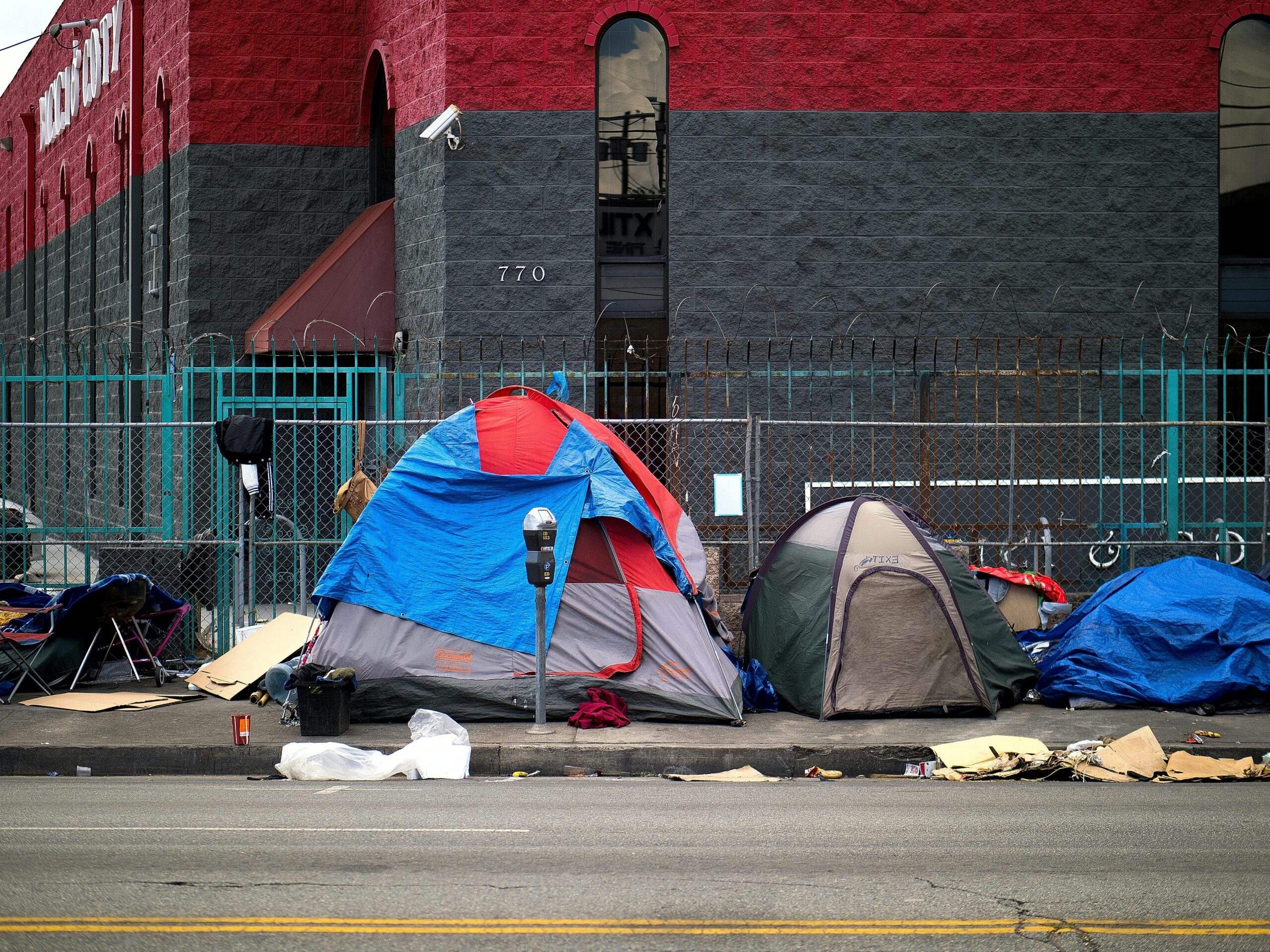
By Rosalind Russell – Homelessness is disproportionately affecting the North, according to a new report by the Financial Accountability Office of Ontario, which shows that four of the top ten areas with the highest rates of homelessness are located in Northern Ontario.
For the Northern Ontario Service Deliverers Association (NOSDA), the FAO findings reinforce the urgency of investing in solutions that recognize the unique housing, health and service-delivery realities of Northern communities.
The association’s executive director, Fern Dominelli, says the four include the districts of Cochrane, Rainy River, Nipissing and Thunder Bay.
He says Cochrane has the highest rate in the province, with 1,097 homeless people per 100,000 population, adding that the average rate across the remaining 37 service managers was 374 homeless people per 100,000.
Dominelli emphasizes that the numbers make it clear that Northern Ontario’s homeless problem has unique circumstances, with communities facing higher construction and operating costs, limited rental markets, long distances between communities and services, aging housing stock and significant gaps in affordable and supportive housing, adding that the North needs solutions designed specifically to meet those challenges.
The findings of the FAO report follow a separate NOSDA report that found homelessness in northern Ontario increased 37.3 percent in one year, from 5,930 people in 2024 to 8,142 people in 2025.
He says the association is calling on government to develop an integrated Northern Ontario investment scenario combining housing capital, operating funding, mental health and substance use supports totalling $435.7 million annually over ten years, approximately 1.3 cents for every dollar of Northern Ontario’s $34.6-billion annual GDP.
For Northern Ontario, reducing homelessness while reducing the investment available to address it is not a sustainable strategy, says Dominelli, adding that the North needs to move from managing the consequences of homelessness to making the investments that prevent homelessness.
Photo: unsplash.com


 Submit News Tip
